
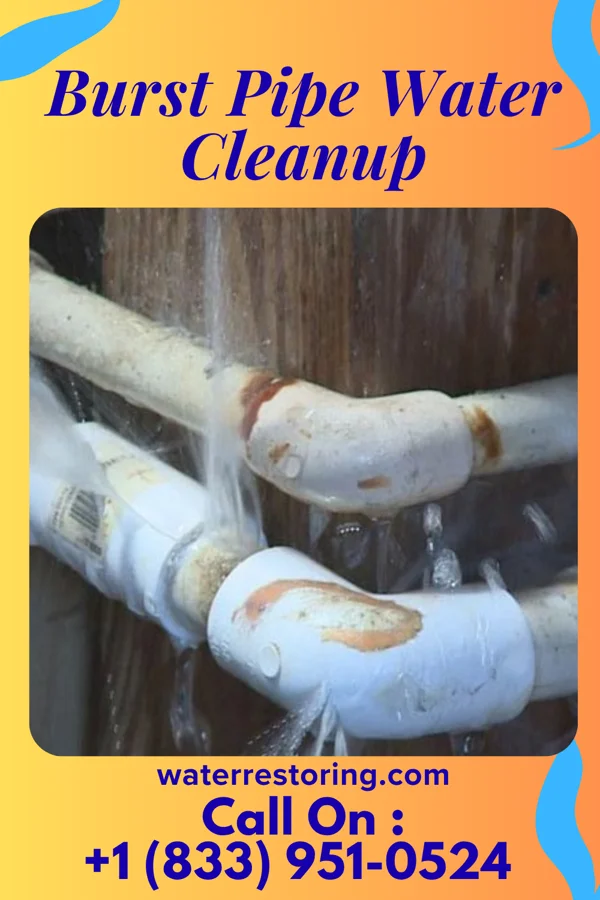
Burst Pipes Across Bear Creek Neighborhoods
Every neighborhood in Bear Creek has a different water damage risk profile. The one that shows up on most restoration calls is Bear Creek, Alaska, experiences frequent thawing and freezing cycles due to its proximity to the Kenai Peninsula, increasing the risk of pipe bursts during spring thaw. The region's rural nature and older infrastructure in areas like Primrose and Lowell Point contribute to higher vulnerability for burst pipes.. A close second is The area's cold climate and frequent temperature fluctuations can cause pipes to expand and contract, leading to cracks and eventual bursts. Additionally, the use of well water in some neighborhoods like Seward and Kenai can introduce mineral buildup, further weakening pipes over time..
Bear Creek's climate, characterized by cold winters and rapid spring thaw, creates a challenging environment for plumbing systems. The region's rural character and reliance on older infrastructure increase the likelihood of burst pipes during temperature shifts.
Water damage in Bear Creek follows a few local patterns. Bear Creek, Alaska, experiences frequent thawing and freezing cycles due to its proximity to the Kenai Peninsula, increasing the risk of pipe bursts during spring thaw. The region's rural nature and older infrastructure in areas like Primrose and Lowell Point contribute to higher vulnerability for burst pipes. accounts for the bulk of our calls. Bear Creek's climate, characterized by cold winters and rapid spring thaw, creates a challenging environment for plumbing systems. The region's rural character and reliance on older infrastructure increase the likelihood of burst pipes during temperature shifts. Bear Creek's coastal climate can lead to high humidity levels, increasing mold risk if water damage is not addressed promptly. The region's frequent rainfall and mild temperatures also contribute to a conducive environment for mold growth.
For public guidance on the health effects of mold after prolonged water exposure, see the EPA mold and health page.